- Soma Mater's Newsletter
- Posts
- SOMA Newsletter
SOMA Newsletter
Soma Mater
November 10, 2025
Welcome to the SOMA MATER weekly newsletter.
At SOMA MATER, we specialize in delivering comprehensive research and advisory services with a focus on Food & Water Security and Net Zero Transition in the MENA Region. In order to support our subscribing clients in navigating these topics and understanding the regional narrative, we produce monthly Food and Water Security and Net Zero Transition Intelligence Reports, along with our in-depth analysis and insights.
This weekly newsletter highlights the top 3 stories from the past week in Food and Water Security and Net Zero transition, along with SOMA MATER's analysis and perspective.
How is water scarcity driving geopolitical tensions and threatening food security globally?
How is Abu Dhabi positioning itself as a competitive force in global food exports through collaborations announced in Global Food Week 2025?
How is Taif governorate balancing its organic farming heritage with modern water scarcity challenges?
Sustainably yours,
The SOMA team
In De-Nile: The Geopolitics of Every Last Drop
#FoodandWaterSecurity
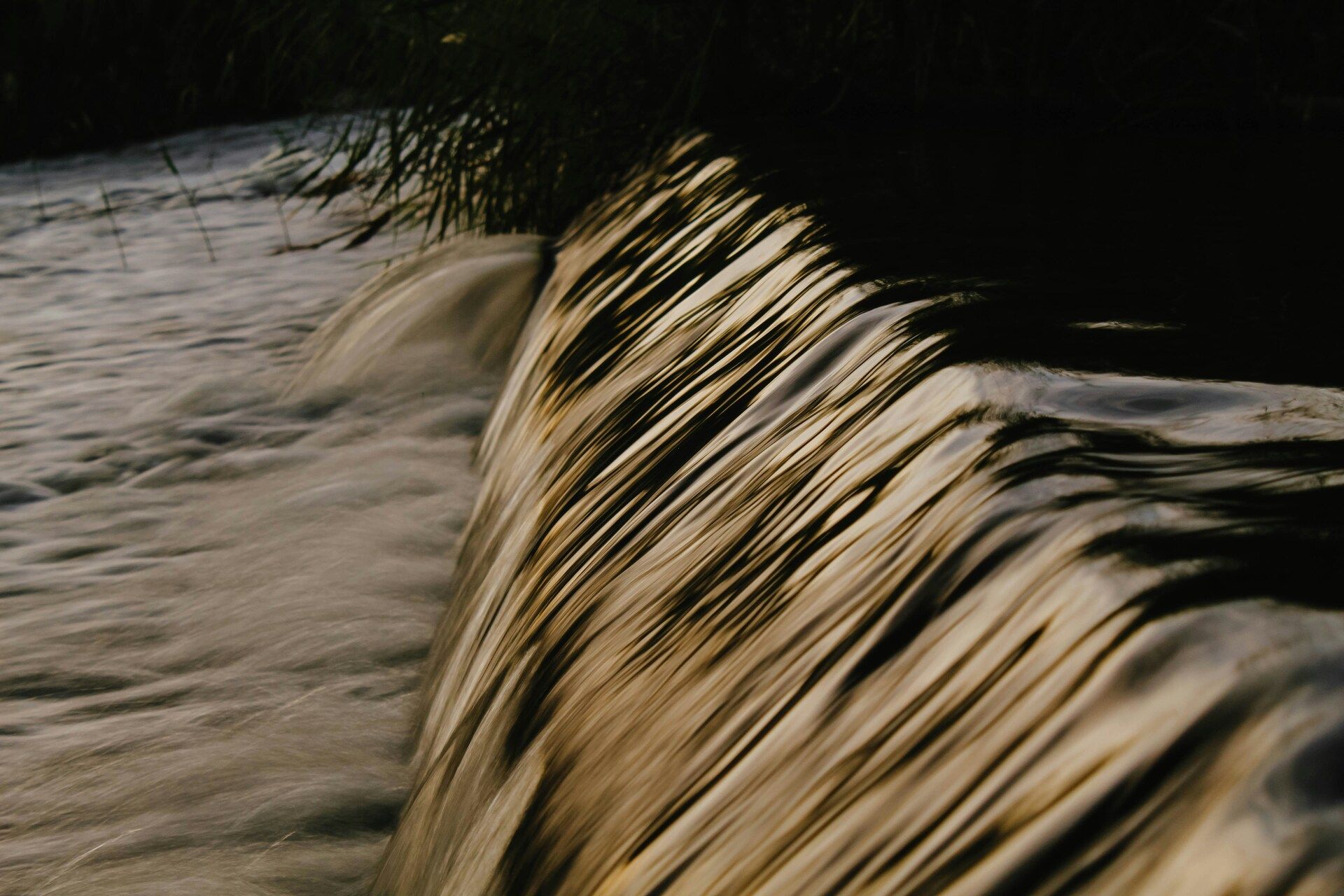
Europe is warming faster than the global average. Water stress now affects a third of the continent's land and population yearly, with floods alone costing €6.5 billion annually (1980 to 2023). Water is now treated as a strategic resource tied to Europe's competitiveness, energy systems, and digital infrastructure. Water-dependent sectors contribute €3.4 trillion to EU gross value added—roughly 26% of the economy. Sectors like agriculture, public supply, and industry still consume over 240 billion cubic meters annually.
The stakes are also high in the MENA region. Agriculture is the most water-intensive sector. Iraq offers a sobering example: water reserves have dropped from 18 billion cubic meters last year to around 10 billion today—the lowest in over 80 years. Thousands of families have been displaced, protests have erupted, and all agricultural planting in September was suspended, halting wheat cultivation entirely. Turkish and Iranian dams have cut river flows, while Iraq's own outdated irrigation network operates at just 60% efficiency. Corruption, weak oversight, and reactive crisis management have contributed to this situation.
Egypt also struggles with the Grand Ethiopian Renaissance Dam (GERD), Africa's largest hydroelectric project. The dam controls the Blue Nile, which supplies 97% of Egypt's water. Ethiopia argues the GERD will end energy poverty and prevent seasonal flooding, but Egypt views it as an existential threat, particularly given that no binding water management treaty has been signed. As populations grow and droughts intensify, the risk of escalation hinges on cooperative water management and advanced drought planning. Without it, rising demand and climate stress could turn water diplomacy into conflict.
SOMA’s Perspective:
Water scarcity has become a strategic flashpoint. In MENA, water is increasingly weaponized. Without binding agreements or legal recourse, upstream nations hold leverage that downstream neighbors cannot contest. Turkey's dams constrain Syria and Iraq; Ethiopia's dam pressures Egypt. In this zero-sum game, water becomes a tool not just for development, but for ensuring rival states remain weakened. As populations grow and climate stress intensifies, the issue is that there is increasingly more people in the world but not more water.
Sources:
https://www.spglobal.com/market-intelligence/en/news-insights/research/water-the-dilemmas-mena-governments-are-facing#:~:text=MENA countries increasingly facing an,water supplies under further strain.
AED6.6 Billion Reasons Abu Dhabi Isn't Playing Around with Food Security
#FoodandWaterSecurity

Abu Dhabi's Global Food Week secured 58 agreements worth AED6.6 billion—a 6.5% jump from the previous edition. Organized by Abu Dhabi National Exhibition Centre Group (ADNEC) alongside Abu Dhabi Agriculture and Food Safety Authority (ADAFSA), the Khalifa International Award for Date Palm and Agricultural Innovation, and Abu Dhabi Investment Office (ADIO), it introduced the Global Food Talks, the AgriTech Forum, and the Alternative Proteins Initiative (in which Sheikh Dr. Majid Al Qassimi spoke).
This year's edition featured a strategic partnership forged by ADIO with Abu Dhabi Airports Company, Abu Dhabi Customs, ADAFSA, and key producers including Silal, Pure Harvest Smart Farms, ESG Agro, and Elite Agro Holding. The collaboration is designed to streamline logistics, simplify trade processes, and ensure the efficient export of climate-resilient produce in Abu Dhabi. It's a coordinated push to turn policy, infrastructure, production, and innovation into a cohesive ecosystem that serves local growers and opens international markets.
The partnership aligns with the broader AgriFood Growth and Water Abundance (AGWA) cluster, bringing government agencies and private operators together across the agriculture and logistics value chain. ADIO will lead efforts to unlock trade pathways, while private-sector leaders like Silal and Pure Harvest Smart Farms contributing expertise in high-tech agriculture and supply chain optimization. The initiative positions Abu Dhabi as a competitive force in global food exports.
SOMA’s Perspective:
SOMA had the privilege of attending Global Food Week and witnessing Abu Dhabi's continuous commitment to transforming the local food security landscape. The scale of this year's agreements—AED6.6 billion across 58 partnerships—reflects a coordinated strategy to integrate policy, infrastructure, and innovation into a cohesive export ecosystem. The operational depth and the number of different stakeholders involved shows how Abu Dhabi is engineering the logistics, trade frameworks, and private-sector alignment needed to deliver.
Sources:
Taif or False: Can Organic Farming Survive Modern Thirst?
#FoodandWaterSecurity

Taif governorate's mountain and valley farms have used organic methods for centuries, avoiding artificial fertilizers and pesticides. These techniques have promoted soil health, water conservation, and biodiversity. Today, Taif is a leading region in organic agriculture, with the Ministry of Environment, Water, and Agriculture providing guidance and certifications to support growth. The governorate produces tomatoes, cucumbers, zucchini, eggplant, peppers, and leafy greens—through both greenhouse and open-field cultivation, becoming a distribution hub for other cities.
Yet water remains a critical challenge. A study of 391 farmers across Saudi Arabia found that Taif has the highest incidence of groundwater use, well above the regional average. Only 63% of farmers reported receiving sufficient water for their crops, and about 62% indicated that water storage led to quality degradation. Taif also had the lowest average agricultural experience at 19.7 years, suggesting a younger farming population.
The study revealed that farmers' willingness to adopt treated wastewater is shaped by water scarcity, satisfaction with previous use, perceived cost savings, and access to extension services. Agricultural experience was found to be a statistically significant factor in viewing treated wastewater as a complementary source alongside existing water supplies.
SOMA’s Perspective:
According to this study, Taif’s farming population is young and relatively inexperienced (in comparison to other regions within the study)—averaging under 20 years in the field. The combination of intensive aquifer use and limited expertise requires careful monitoring and proactive management. As Taif positions itself as a hub for food security, the question is not whether it can grow, but whether it can sustain what it grows. Without smarter water management and broader adoption of treated wastewater, its agricultural ambitions may run dry.
Sources:
SOMA MATER is writing Intelligence Reports on the topics of Food and Water Security and Net Zero Transition. If you’d like to know more, contact us through the link below: