- Soma Mater's Newsletter
- Posts
- SOMA Newsletter
SOMA Newsletter
Soma Mater
December 30, 2025

Welcome to the SOMA MATER weekly newsletter.
At SOMA MATER, we specialize in delivering comprehensive research and advisory services with a focus on Food & Water Security and Net Zero Transition in the MENA Region. In order to support our subscribing clients in navigating these topics and understanding the regional narrative, we produce monthly Food and Water Security and Net Zero Transition Intelligence Reports, along with our in-depth analysis and insights.
This weekly newsletter highlights the top 3 stories from the past week in Food and Water Security and Net Zero transition, along with SOMA MATER's analysis and perspective.
How many acutely hungry people go unseen by current global food security assessments?
What recent weather events have taken place in the UAE and Saudi Arabia, and how have these countries responded?
What are the details of Phase 2 of the UAE's plastic ban starting in 2026?
Sustainably yours,
The SOMA team
Lost in Translation (and Miscalculation): The People Missing From Our Hunger Radar
#FoodandWaterSecurity

The global hunger crisis is estimated to be worse than official figures report. The Integrated Food Security Phase Classification (IPC)—the recognized global standard that guides approximately $6 billion in humanitarian assistance annually— undercounts acute hunger. A study reveals a troubling gap: current IPC analyses miss approximately 1 in 5 acutely hungry people.
Nearly half of all locations currently classified as "stressed" (phase 2) should likely be elevated to phase 3 or higher, where urgent assistance is required. Under a rights-based approach, the true number of acutely food insecure people could reach 488.2 million. This stems from measurement challenges: food insecurity is multidimensional, context-dependent, and subject to political influences.
The geographic scope of acute hunger extends beyond what current data suggests, and more accurate measurement is essential for effective humanitarian response. While the IPC consensus process remains valuable, particularly in data-scarce environments, the 20% population threshold that triggers the transition from phase 2 to phase 3 represents a critical decision point that may be leaving millions without the urgent assistance they need.
SOMA’s Perspective:
The IPC's undercount is specifically problematic for regions where water scarcity and agricultural pressures already threaten food security. This is compounded by factors like refugee pressures. Countries like Egypt—hosting over 1.08 million registered refugees as of November 2025—face compounding challenges that demand precise data. As this intensifies, accurate food security measurement will become more critical than ever.
Sources:
From Waterfalls to Snowfalls: The Gulf Gets a Climate Reality Check
#FoodandWaterSecurity

Recent rainfall in the UAE led to waterfalls cascading through Jebel Jais in Ras Al Khaimah and wadis overflowing across the region. Rainfall totals were highest in Al Ghazlah, recording 127mm, followed by Saqr Port 123mm, and Jebel Jais 116.6mm. After the April 2024 floods, residents now take weather warnings more seriously. In wadi communities, locals prepared for the rain by cleaning ancient irrigation channels and warning visitors about dangerous areas.
The country's infrastructure readiness was on full display as the UAE Ministry of Energy and Infrastructure completed preventive maintenance on 103 federal dams, barriers, and water facilities with a total storage capacity of approximately 80 million cubic metres. The UAE's over 150 dams—concentrated in the northern and eastern regions—includes critical installations like Wadi Ham Dam in Fujairah and Wadi Shawka Dam in Ras Al Khaimah, which protect communities while supporting groundwater recharge through real-time digital monitoring.
Saudi Arabia also experienced extreme weather with snowfall in Al-Majmaah and Al-Ghat governorates as temperatures fell below zero. Al-Majma'ah Governorate valleys also experienced flash floods. In Jeddah, torrential rains dumped 179mm of water in just 6 hours—nearly 8 times the city's November average of 23mm. The events led to at least two casualties and forced the Red Sea International Film Festival to shut down. The severity prompted red alerts, remote learning across multiple cities, and weather warnings extending to other regions in the Kingdom.
SOMA’s Perspective:
SOMA believes this rainfall is an untapped potential, which we explored in one of our whitepapers. Urban development has created impervious surfaces that prevent groundwater recharge. As a result, water runs off instead of infiltrating, aquifers continue declining, and we are left treating rainfall as a problem rather than a solution. Abu Dhabi's plans to capture 100 million cubic meters of rainwater annually through the Integrated Water Sector Strategy shows the recognition of rainfall as a resource. Saudi Arabia's investment in bioswales and nature-based solutions demonstrates similar recognition. Yet there remains a gap between infrastructure and actual capture for recharge.
Sources:
https://www.khaleejtimes.com/uae/weather/video-rains-lightning-thunderstorms-cloudy-skies-december-14-2025?__sta=vhg.blmsvsvhqxgv|IFFFBYI&__stm_medium=email&__stm_source=smartech&utm_campaign=Copy%3A14 Dec 2025 %4010%3A23pm-14 Dec 2025 Newsletter&utm_medium=Email&utm_source=Netcore
https://www.khaleejtimes.com/uae/weather/uae-residents-take-weather-alerts-more-seriously-after-2024-floods?__sta=vhg.blmsvsvhqxgv|IFFFBYI&__stm_medium=email&__stm_source=smartech&utm_campaign=Copy%3A14 Dec 2025 %4010%3A23pm-14 Dec 2025 Newsletter&utm_medium=Email&utm_source=Netcore
https://www.khaleejtimes.com/uae/weather/uae-village-wadis-rain-flash-floods-unstable-weather?__sta=vhg.blmsvsvhqxgv|IFFYBYI&__stm_medium=email&__stm_source=smartech&utm_campaign=Copy%3A17 Dec 2025 %4011%3A04pm-17 Dec 2025 Newsletter&utm_medium=Email&utm_source=Netcore
Fork It Over: How the UAE Is Ditching Disposables
#NetZeroTransition
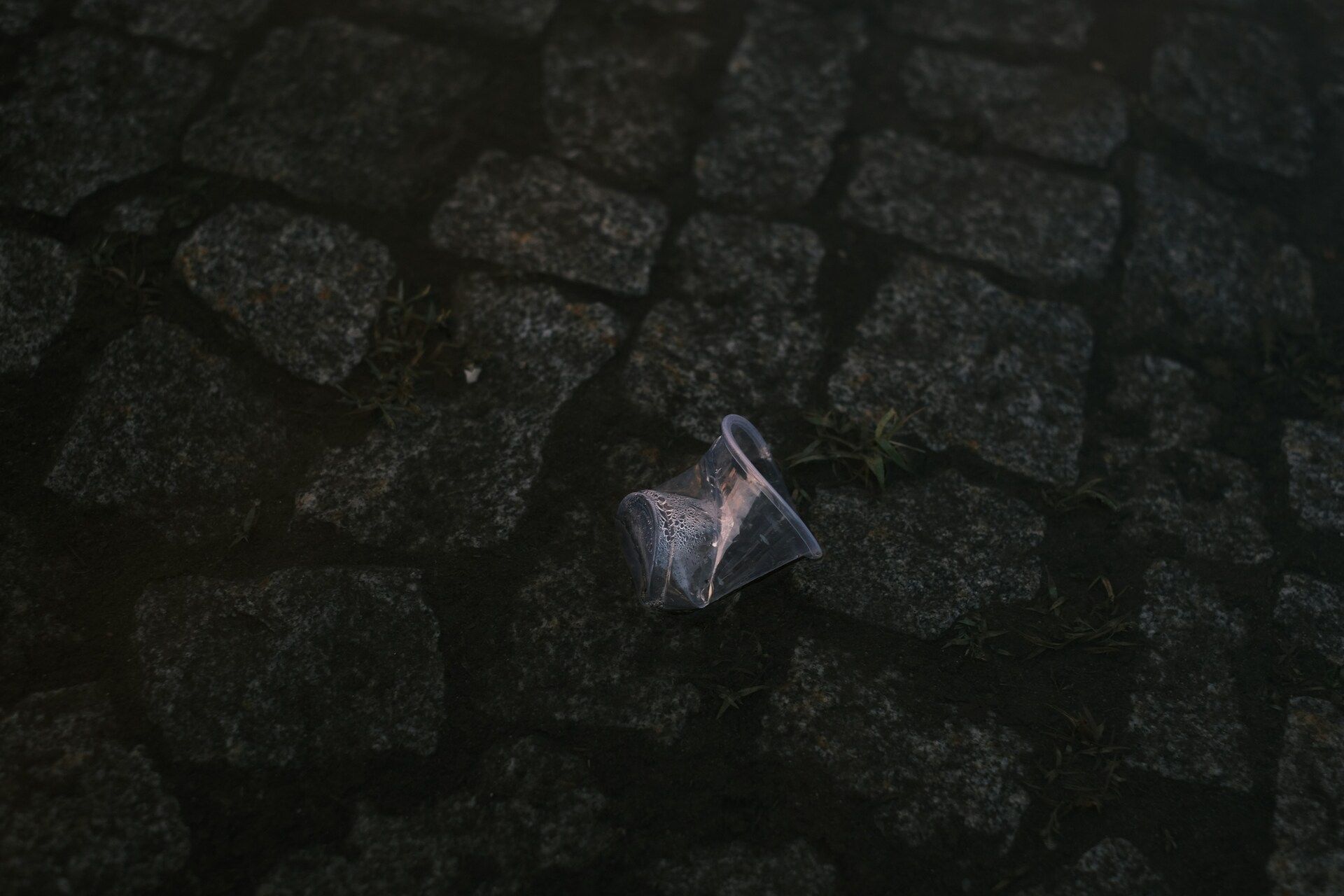
Starting January 1st 2026, the UAE Ministry of Climate Change and Environment will implement Phase 2 of the country's plastic ban, prohibiting the import, manufacture, and trade of beverage cups and lids, cutlery (spoons, forks, knives, and chopsticks), plates, straws, stirrers, and Styrofoam food containers/boxes, as well as single-use bags under 50 microns regardless of material. Exemptions provide businesses with regulatory clarity: products manufactured for export, items made from recycled materials, and bags for medicine, refuse, and fresh food wrapping remain permitted.
Results from Phase 1 demonstrate the policy's effectiveness. In Abu Dhabi, plastic bag use at cash counters dropped by 95%. Beyond human consumption, research indicates that camel deaths from ingesting plastic bags have decreased by up to 80% since restrictions began. For businesses, the exemptions for plant-based materials are accelerating investment decisions previously stalled by uncertainty.
At the same time, the Alliance to End Plastic Waste launched its GCC country program, targeting Saudi Arabia, the UAE, Oman, Qatar, Kuwait, and Bahrain. The alliance engages with stakeholders to understand needs and share expertise on waste management and recycling solutions. The initiative will work with local authorities to identify gaps in plastic waste management and implement solutions. Since 2019, Alliance-funded projects have reduced 239,000 tonnes of unmanaged plastic waste, engaged 740 organizations, and generated $445 million in total revenue.
SOMA’s Perspective:
The UAE's Phase 2 plastic ban demonstrates how policy implementation evolves and gains community adoption. The results from Phase 1 demonstrate that regulatory frameworks can drive measurable change when coupled with clear exemptions and compliance pathways. This creates a reinforcing cycle: policy clarity enables private sector commitment, which in turn validates the policy approach.
Sources:
https://www.khaleejtimes.com/uae/plastic-ban-2026-january-phase-2-single-use-bags-cutlery?__sta=vhg.blmsvsvhqxgv|IFFUBYI&__stm_medium=email&__stm_source=smartech&utm_campaign=Copy%3A16 Dec 2025 %4011%3A37pm-16 Dec 2025 Newsletter&utm_medium=Email&utm_source=Netcore
https://www.thenationalnews.com/news/uae/2025/12/16/plastic-ban-uae-2026-list-of-products-banned/#:~:text=There is evidence these initiatives,own cups by offering discounts.&text="Previous bans have already shown,to a true circular economy."
SOMA MATER is writing Intelligence Reports on the topics of Food and Water Security and Net Zero Transition. If you’d like to know more, contact us through the link below: