- Soma Mater's Newsletter
- Posts
- SOMA Newsletter
SOMA Newsletter
Soma Mater
January 12, 2026

Welcome to the SOMA MATER weekly newsletter.
At SOMA MATER, we specialize in delivering comprehensive research and advisory services with a focus on Food & Water Security and Net Zero Transition in the MENA Region. In order to support our subscribing clients in navigating these topics and understanding the regional narrative, we produce monthly Food and Water Security and Net Zero Transition Intelligence Reports, along with our in-depth analysis and insights.
This weekly newsletter highlights the top 3 stories from the past week in Food and Water Security and Net Zero transition, along with SOMA MATER's analysis and perspective.
How has recent rainfall in Jordan improved agricultural prospects and what water harvesting techniques are being used to adapt to changing climate patterns?
How does the Mleiha Dairy Factory in Sharjah demonstrate both breeding efficiency and sustainability in advancing food security in the UAE?
What are recent advancements in Saudi Arabia’s rainfed agriculture and regulated grazing sectors?
Sustainably yours,
The SOMA team
Rain, Reign, and Reservoirs: Jordan's Downpour Delivers
#FoodandWaterSecurity
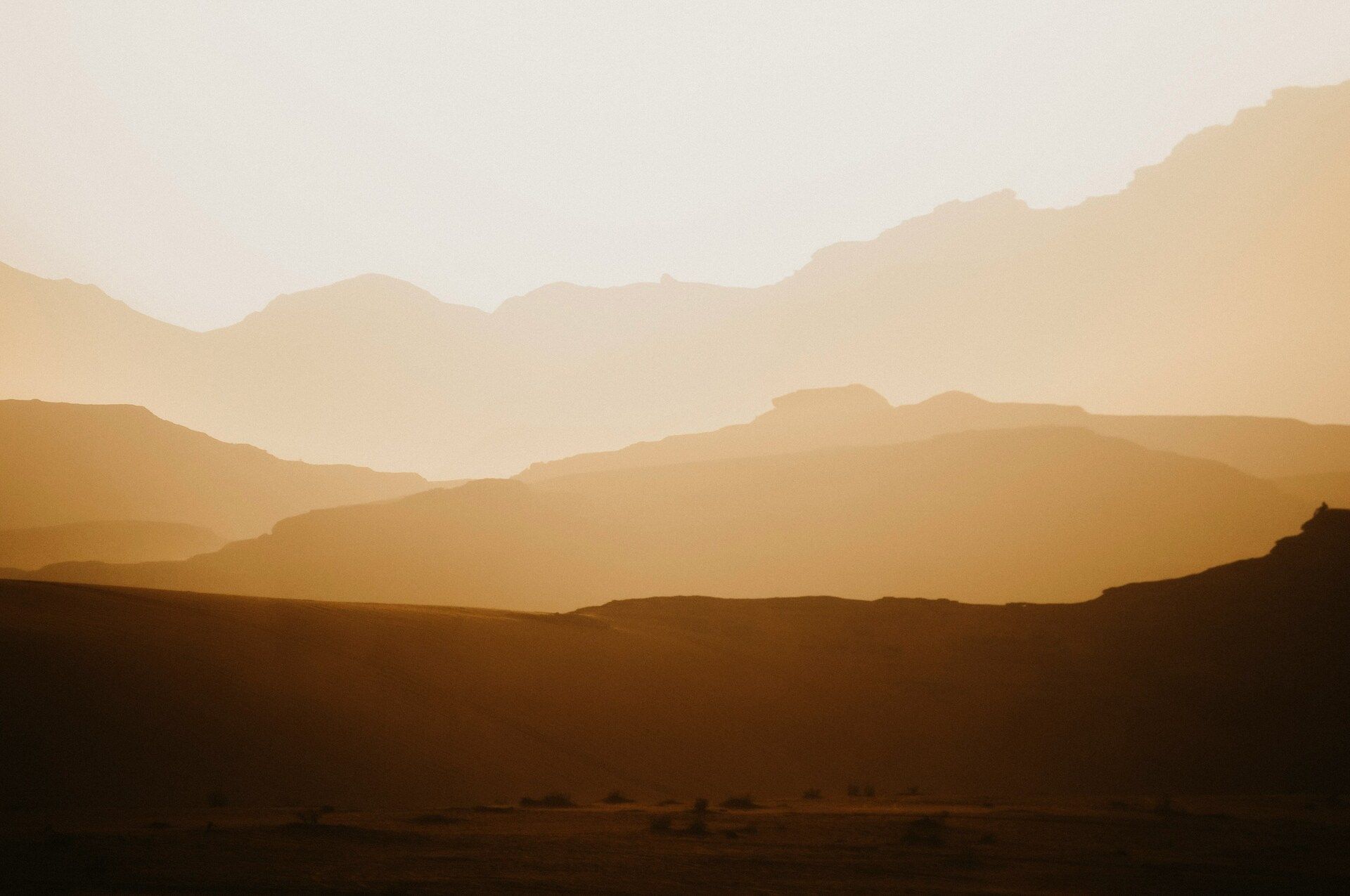
Recent heavy rainfall in Jordan has boosted the Kingdom's agricultural outlook, strengthening soil moisture reserves. Precipitation is critical given that the majority of Jordan's field crops rely on rain-fed farming. Winter crops will see the most immediate benefits from optimal moisture levels during critical growth stages, and fruit trees in the highlands will be the primary beneficiaries.
This has brought relief to farmers by decreasing reliance on artificial watering and lowering production costs. Jordan's highly permeable terrain makes waterlogged soil rare, though the Ministry advocates for water harvesting techniques such as contour plowing, terracing, and crescent-shaped soil bunds to mitigate erosion. Climate change has shifted the start of the rainy season in recent years, prompting farmers to delay planting dates.
Desert dams and earthen pits in the Badia region—which accounts for 85% of Jordan's land area—provide drinking water for livestock and help recharge groundwater levels. These water harvesting micro-catchments, implemented by ICARDA since 2019, use pitting techniques that can double absorption rates and minimize runoff. One of the techniques, zai, uses 20-30 cm deep pits with organic matter to improve soil structure and water infiltration. With Jordan’s downward trend in annual precipitation and increasing drought conditions, these infrastructure investments are a vital adaptation strategy.
SOMA’s Perspective:
This approach delivers dual benefits: immediate relief for rain-fed agriculture and long-term groundwater capacity through techniques that double absorption rates. In a region where drought conditions are increasing, these investments are foundational to sustaining crop production and pastoral livelihoods. The shift in planting calendars also signals the urgency of scaling interventions across the MENA region.
Sources:
https://pstg1.petra.gov.jo/en/news/high-rainfall-boosts-soil-reservoirs-and-yield-outlook-agriculture-minister-says#:~:text=Amman%2C Dec.,Al-Khraisat confirmed on Wednesday.
Pasture Podium: Sharjah's Dairy Factory Sets a World Record
#FoodandWaterSecurity
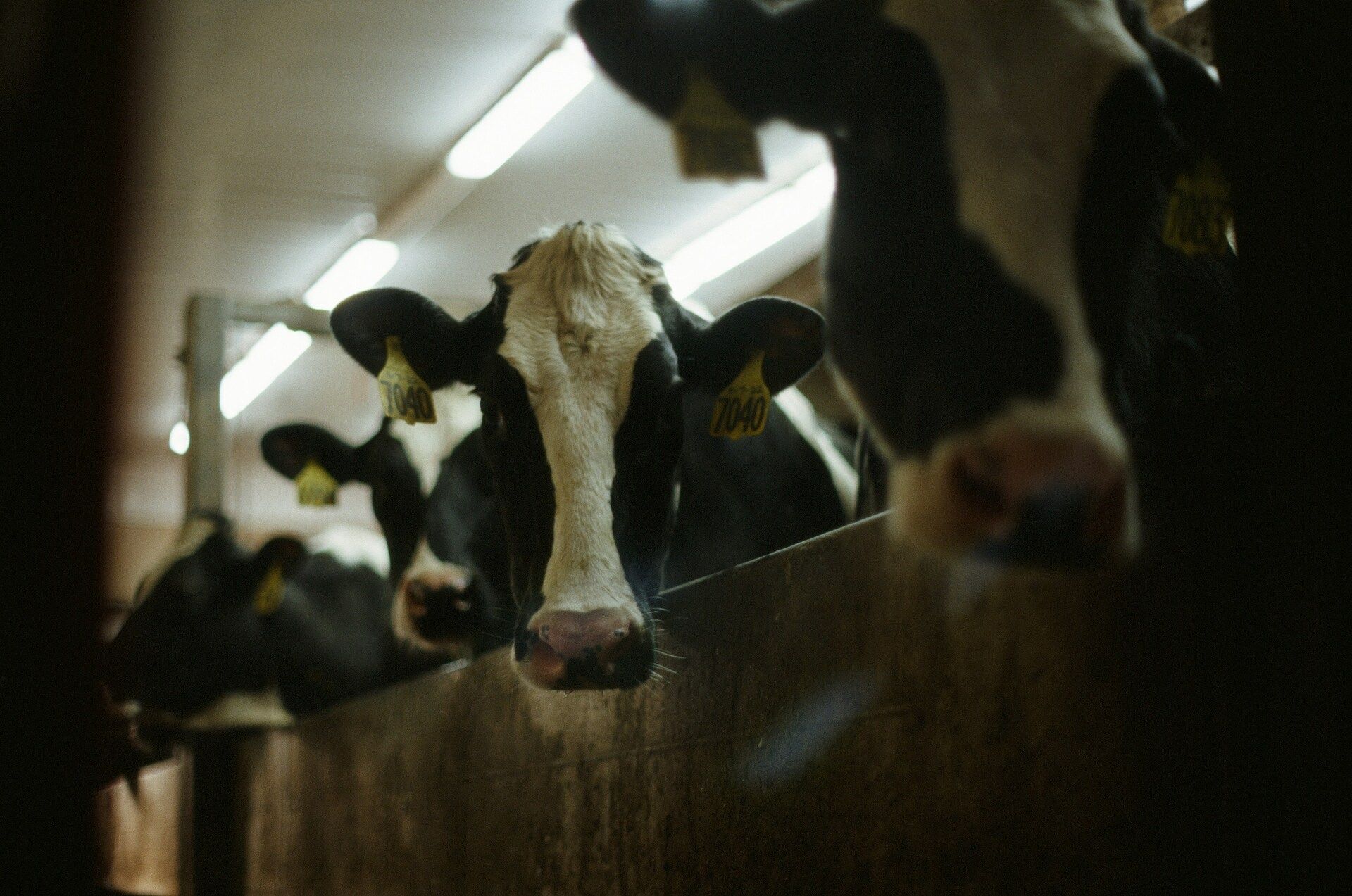
His Highness Sheikh Dr. Sultan bin Muhammad Al Qasimi inaugurated the Mleiha Dairy Factory in Sharjah. The facility earned a Guinness World Record as the largest farm of A2A2 breed cows in the world. Spanning 20,000 square metres with a production capacity of 600 tonnes, the factory houses more than 6,400 cows. The farm produces milk with 20 distinct health benefits, prioritizing public health over speed or profit, with eco-friendly packaging lines.
Sheikh Dr. Sultan's initiative reflects Sharjah's comprehensive approach to food security, which includes diverse farms, factories, and specialized university programs. The ruler received a commemorative shield from the Dutch Holstein Breeders Association (CRV), a cooperative that has been improving herds since 1874 across more than 60 countries. Their breeding program emphasizes health and efficiency, demonstrating that healthier cows lead to lower costs, less labor, and better dairy production with the same feed.
This aligns with global trends showing that dairy farming's efficiency gains can support sustainability goals. The dairy sector generates more employment opportunities than other livestock value chains, particularly for women and youth. While GHG emissions from dairy cattle increased 18% between 2005 and 2015, overall milk production grew 30%, resulting in lower emission intensities of over 10% per kilogram of milk—showing that health-focused, efficient dairy farming benefits both farmers and the environment.
SOMA’s Perspective:
By prioritizing breeding health, it becomes possible to deliver superior outcomes in milk production, employment generation, and emission intensity. This approach is particularly relevant across the MENA region, where water scarcity and land limitations demand efficiency gains. Sharjah's comprehensive approach—integrating farms, factories, and specialized university programs—highlights how sustainable food systems require ecosystem-level coordination, not isolated projects.
Sources:
https://openknowledge.fao.org/server/api/core/bitstreams/af3c92a6-7b32-4f8f-8cc6-7ce3b7a5fc17/content#:~:text=III.&text=Unlike crop or meat production,social status and social capital.&text=12.,powerful tool for their empowerment.&text=Publishing%2C London.&text=10 OECD-FAO.,Chicago%2C Illinois%2C USA.&text=12 FAO.,Rome.
Grazing and Growing: Saudi Arabia's Double Win in Sustainable Agriculture
#FoodandWaterSecurity
Saudi Arabia's rainfed agriculture sector is experiencing growth under the Saudi Reef program, with growth exceeding 1,100% with more than 13,300 beneficiaries nationwide. The program supports 8 agriculture sectors, with rainfed agriculture being a cornerstone to its achievement. Concentrated in the southwestern regions of Jazan and Asir, where rainfall reaches up to 450mm, farmers are cultivating sorghum, pearl millet, and sesame using improved genotypes introduced through collaboration with MEWA and FAO.
Yet rainfed agriculture across the Arab region faces challenges. Yields average just 1.0 tonnes per hectare compared to 3.0 t/ha for irrigated crops, with suitable land comprising only 5.2% of the region's total area. Rainfall variability and shallow soils with poor water storage capacity constrain productivity, though supplemental irrigation at critical growth stages can double or triple yields when modest water amounts are strategically applied.
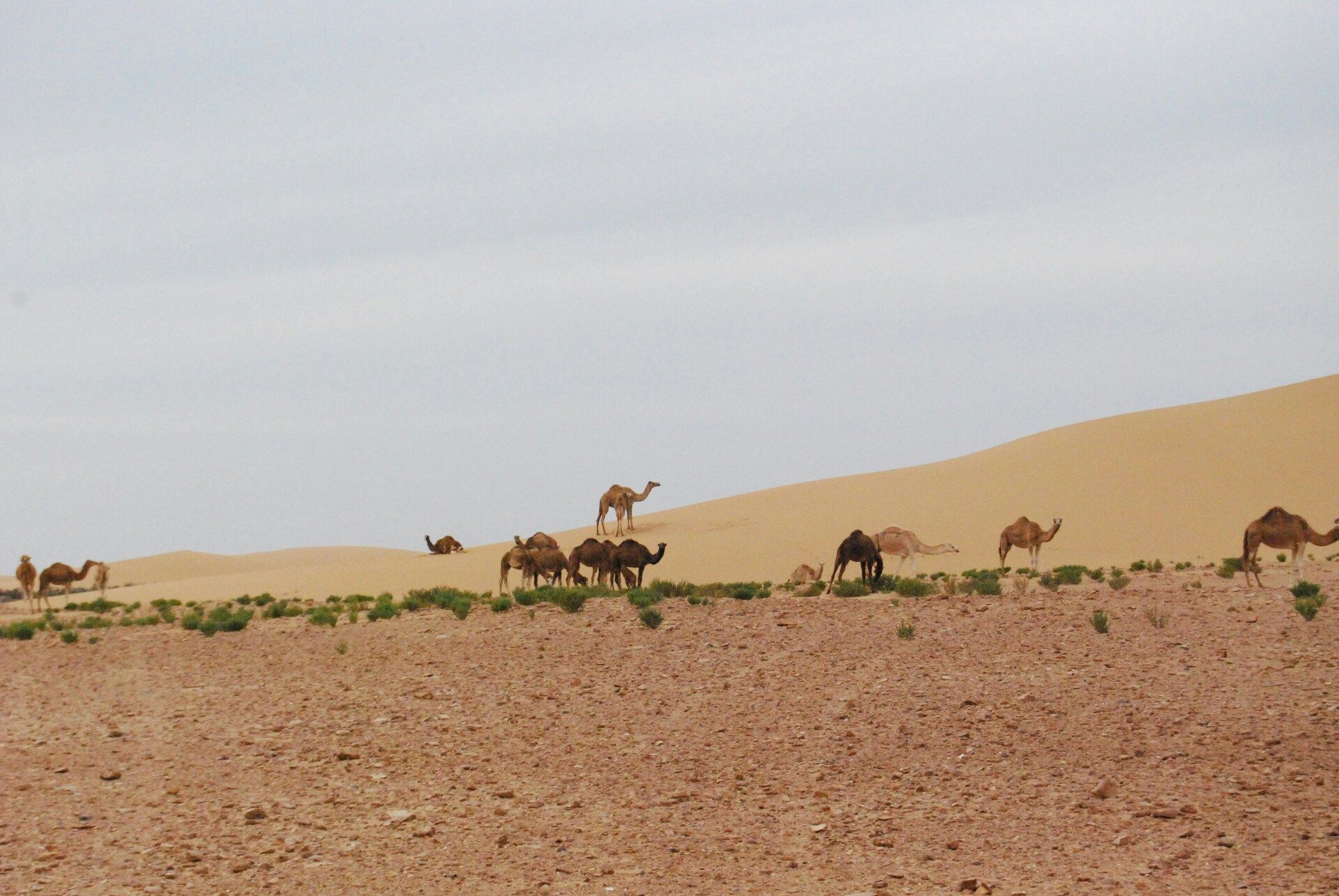
At the same time, Saudi Arabia is also regulating its grazing sector, with 26 designated sites covering 8 million hectares. With natural rangelands comprising 73% of the Kingdom's land area, the National Center for Vegetation Cover Development and Combating Desertification is implementing grazing capacity studies and seasonal permits that respect vegetation lifecycles. Experiments show that camel grazing in Jabla National Park reduced manufactured feed costs by 76% after just one season, while sheep grazing in Ma'ila rangelands achieved complete feed self-sufficiency during the grazing period.
SOMA’s Perspective:
Saudi Arabia's progress across these sectors is significant. Its comprehensive approach to both rainfed crop cultivation and rangeland management demonstrates how traditional agricultural and pastoral practices, when scientifically studied, carefully regulated, and strategically implemented, can advance both national food security objectives and environmental sustainability goals.
Sources:
https://www.reuters.com/markets/commodities/egypts-mostakbal-misr-secures-1267-mln-tons-mostly-russian-wheat-sources-say-2024-12-27/#:~:text=Mostakbal Misr%2C established in 2022,5 million tons per year.
https://books.google.ae/books?hl=en&lr=&id=P65_EAAAQBAJ&oi=fnd&pg=PT4&dq=wheat+importation+in+egypt&ots=oKb47qbN7q&sig=Gcb7LRJjgD2zAqI59fgVOeg0T-c&redir_esc=y#v=onepage&q=wheat importation in egypt&f=false
SOMA MATER is writing Intelligence Reports on the topics of Food and Water Security and Net Zero Transition. If you’d like to know more, contact us through the link below: