- Soma Mater's Newsletter
- Posts
- SOMA Newsletter
SOMA Newsletter
Soma Mater
January 24, 2026
Welcome to the SOMA MATER weekly newsletter.
At SOMA MATER, we specialize in delivering comprehensive research and advisory services with a focus on Food & Water Security and Net Zero Transition in the MENA Region. In order to support our subscribing clients in navigating these topics and understanding the regional narrative, we produce monthly Food and Water Security and Net Zero Transition Intelligence Reports, along with our in-depth analysis and insights.
This weekly newsletter highlights the top 3 stories from the past week in Food and Water Security and Net Zero transition, along with SOMA MATER's analysis and perspective.
What is reshaping the UAE's industrial strategy and its approach to energy infrastructure?
How can rainwater harvesting help water-scarce regions address both flooding and water security, based on recent rainfall in the UAE?
How is Saudi Arabia's 2026 borrowing plan supporting Vision 2030, and what recent project developments have occurred?
Sustainably yours,
The SOMA team
Watts the Big Idea: Where SOMA Has Been
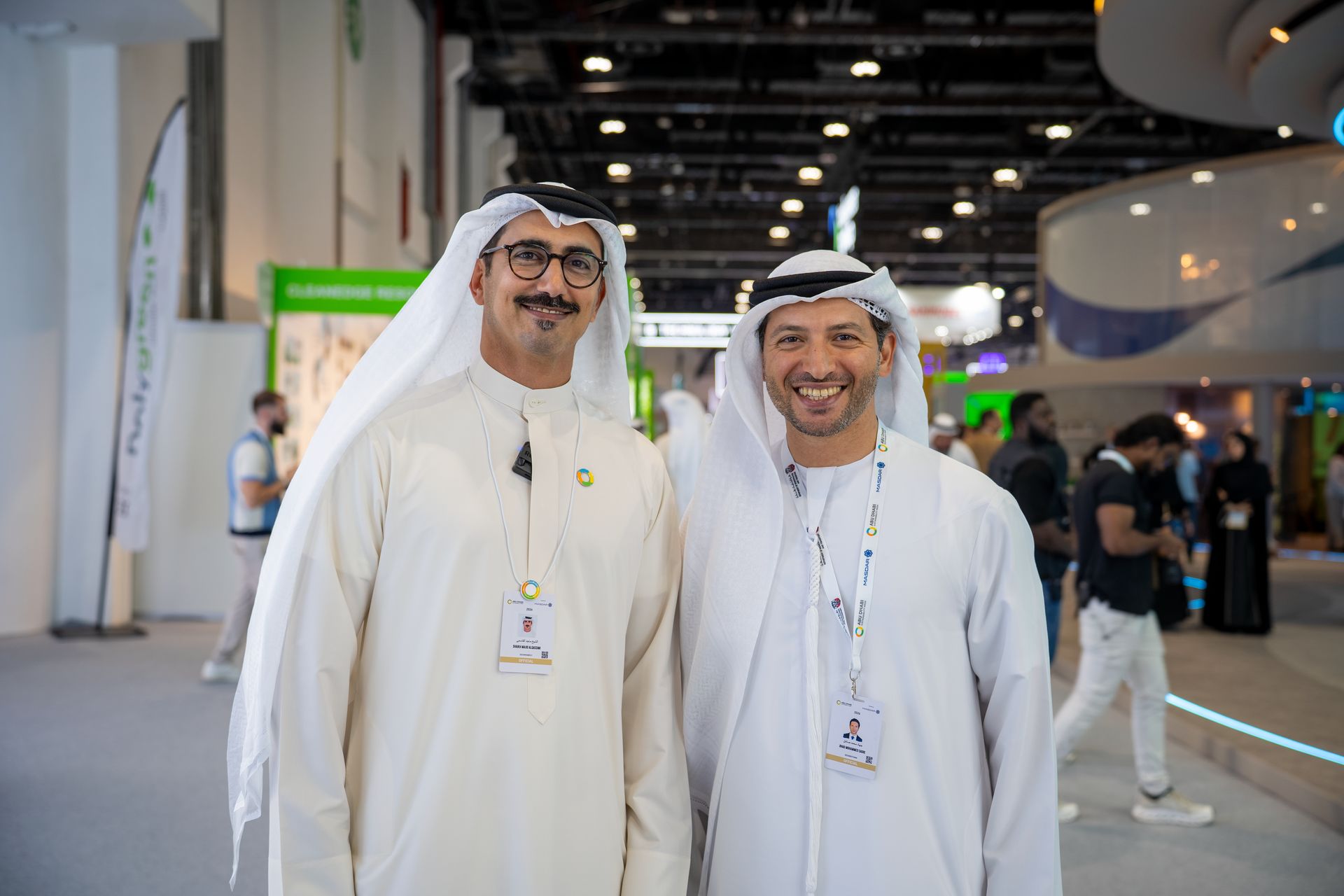
SOMA MATER attended several events recently, including Abu Dhabi Sustainability Week (ADSW) 2026. At the opening ceremony, H.E. Dr. Sultan Al Jaber delivered remarks focused on the intersection of AI, energy, and economic growth. For the first time in history, economic growth is being measured in computational power and digital capacity, with AI reshaping every industry and sector. Energy is the only constant amidst all of this change, as every technology requires power to function.
Dr. Al Jaber highlighted 3 key themes: the UAE recognizes that energy production still requires physical infrastructure (fossil fuels, solar, wind, nuclear); AI has become central to the UAE's industrial strategy; and the UAE’s position as an open platform for partnership. He emphasized that the UAE offers partners stability, policy clarity, long-term vision, advanced logistics, world-class financial services, and smart capital. The speech also noted the UAE's 20-year commitment to renewables through Masdar, which has delivered clean power in 45 countries, reduced costs by over 90%, and is two-thirds of the way toward its 100GW target by 2030.
Sources:
What’s Happening in the UAE: Don't Rain on My Parade
#FoodandWaterSecurity
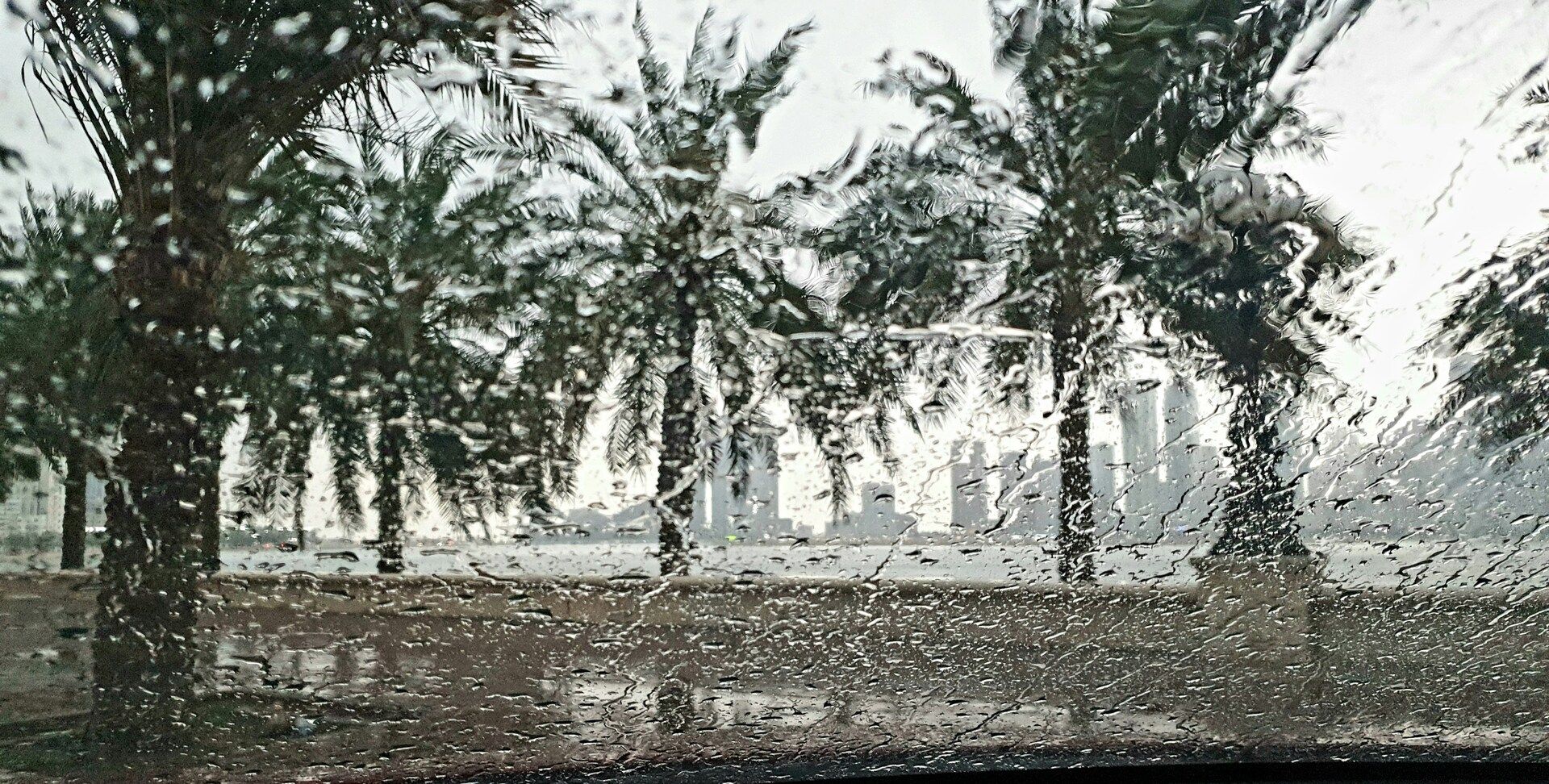
Following the heavy December rains in the UAE, insurance claims rose by around 20%—a manageable increase thanks to industry readiness. Motor insurance bore the brunt. Globally, flooding accounts for 84% of natural disaster deaths, yet traditional centralized water management strategies still fall short.
Research points to a promising solution: rainwater harvesting (RWH) combined with additional storage support mechanisms. Together, these approaches offer low-cost, scalable solutions for water-scarce regions. Studies from Melbourne to Bahrain show that these systems can reduce flood damage by up to 30% under typical rainfall and eliminate flooding entirely for small events. They also recharged groundwater, while surface dams improved water allocation efficiency by nearly 47% in one framework.
Studies show that water sensitive urban design stormwater infrastructure can save hundreds of millions of dollars in flood damage. For water-scarce regions like the MENA, this decentralized, nature-driven approach offers a dual benefit: protecting against floods today while securing water resources for tomorrow.
SOMA’s Perspective:
Research in countries like the United States, Australia, Italy, Bahrain, Hungary, and India demonstrate that distributed water capture systems deliver measurable flood mitigation while simultaneously addressing water scarcity. This points back to SOMA’s belief in the importance of a wider rainwater harvesting system for the UAE and MENA region. The importance of a "systems approach" has been a topic of focus recently. At the Abu Dhabi Sustainability Week 2026 summit, H.E. Dr. Abdulla Humaid Al Jarwan, Chairman of the Abu Dhabi Department of Energy, emphasized that regulators must evolve from mere "rulemakers" into "system designers and orchestrators". The Chief Sustainability Officer at Al-Futtaim echoed this view, describing the need for a "systems approach" in urban development. There's growing recognition that we need integrated systems thinking.
Sources:
What’s Happening in Saudi Arabia: High Stakes, Peak Performance
#NetZeroTransition
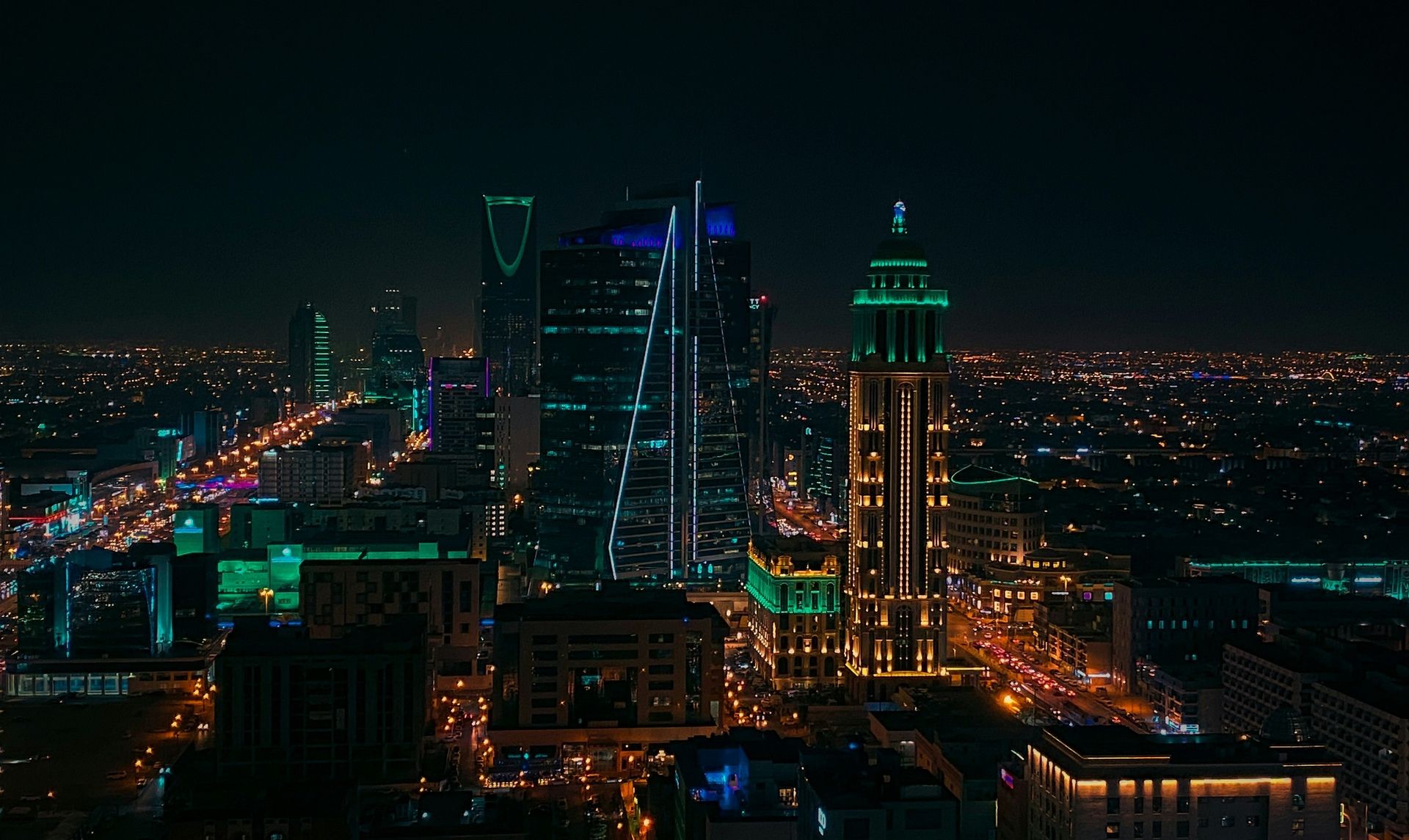
Saudi Arabia approved a $57.9 billion borrowing plan for 2026, managed by the National Debt Management Center to cover the budget deficit and debt repayments while expanding the Kingdom's investor base. As part of this strategy, the Kingdom raised $13 billion through a seven-year syndicated loan dedicated to infrastructure projects in power, water, and public utilities.
The Kingdom also launched the Hexagon Data Centre—a $2.7 billion project set to become the world's largest government data centre. It sits at the heart of Vision 2030's digital transformation agenda, representing the commitment to maintaining technical sovereignty over national data. Located in Riyadh, the facility spans over 30 million square feet with 480 megawatts of capacity—with the highest international standard for reliability. This ensures maximum uptime for the 290+ government systems it will host.
The Soudah Peaks, an ultra-luxury mountain destination at 3,015 meters above sea level, exemplifies this capital deployment. Soudah Development partnered with National Grid SA to develop the advanced electrical network featuring a 380/132 kilovolt central substation with 500 megavolt-ampere capacity. Under its Detailed Master Plan 2025, the region’s water infrastructure includes 15 storage tanks and associated pump stations with 93,150m³ combined capacity to meet a projected daily demand of 10,984m³.
SOMA’s Perspective:
This demonstrates the Kingdom's commitment to translating Vision 2030 ambitions into operational reality. This is Saudi Arabia’s new chapter moving forward in infrastructure and development. Projects like Soudah Peaks illustrate how water infrastructure are now core enablers of these developments. The success of mega-projects like these will ultimately depend on whether these projects can deliver reliable, sustainable energy and water systems at scale. Yet this is not specific to Saudi only, but is the narrative for the rest of the region. SOMA also believes the pursuit of technical sovereignty over national data and the energy supply needed to power AI systems will become increasingly common in the years ahead.
Sources:
SOMA MATER is writing Intelligence Reports on the topics of Food and Water Security and Net Zero Transition. If you’d like to know more, contact us through the link below: